







Tech Brings Parents Closer Together, Not Further Apart
Parenting has always been beautiful, overwhelming, challenging, and rewarding, and for today’s parents, it comes with modern hurdles that previous generations didn’t experience. But technology isn’t pulling couples apart during the most demanding season of their lives. According to our 2026 State of Modern Parenthood Report, most parents feel that it’s actually bringing them closer together. Amid the mental load and sleep anxiety that comes with parenthood, half of the parents we surveyed report that their communication as a couple has improved since having children, with technology playing a surprising role in strengthening – not replacing – their relationships.
This year’s report includes the voices of more than 1,600 US parents of newborns, infants, and toddlers and reveals a striking shift in modern caregiving. Technology is reshaping family life, and the mental load is often the hidden enemy. But when designed with empathy, tech becomes an invisible partner that helps parents stay connected to each other and their children, sharing the load and reclaiming the intimacy and joy that often gets lost in the early years of parenthood.

In our first report, we found that nearly half of active users engaging with their child’s sleep and development are dads. This year, the data goes deeper: When both parents have equal access to real-time information, stress decreases and the caregiving balance shifts. Oftentimes, this gives dads the confidence to step in and moms the freedom to step back without guilt.
This may come as a surprise in a cultural moment that’s pushing hard in the opposite direction. The “going analog” trend – dumb phones, film cameras, screen-free lifestyles – has become a social media phenomenon, and some parents are feeling pressure to reject technology in an effort to be more “present.” But our data tells a different story. Far from the tropes of tech feeling impersonal or isolating them from their partner, these tools are strengthening relationships by creating shared visibility, reducing conflict, and opening up new ways for couples to connect around their baby.
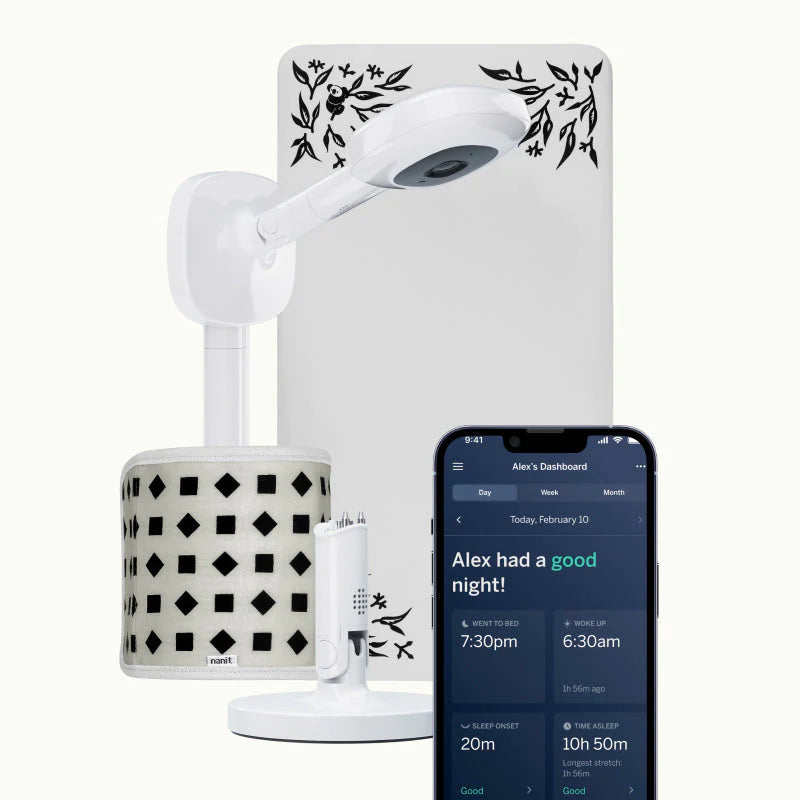
Parents who use tools like Nanit aren’t checking out of the parenting experience. They’re freeing themselves to actually live in it. Without tech handling the cognitive heavy lifting of tracking feeds, naps, and wake windows, parents spend more time managing logistics and less time soaking in moments in front of them. Going fully analog – especially as a parent – doesn’t always lead to more presence. For many, it creates more stress.
Childcare in America has long been shaped by invisible labor, with working mothers disproportionately carrying the mental load: tracking sleep, milestones, routines, and daily decisions, even when they’re not physically with their child. But technology is beginning to change that dynamic.
Key Takeaways:
-
Technology is strengthening – not replacing – partnerships.
About half of parents report better communication as a couple since having children, with 17% saying their communication is “much better.” Rather than isolating partners from each other, shared access to the same real-time information eliminates the “primary parent” dynamic and gives both caregivers equal footing from day one. About 60% of dads say parenting tech helps them share responsibilities more equally, and nearly 70% of moms say the real-time visibility allows them to take a break or trust their partner more. When the information gap closes, balance follows.
-
Shared visibility reduces conflict and builds connection.
Parents describe watching their baby together and laughing at sleep positions, using nighttime footage to validate each other’s efforts, and making decisions as a team rather than arguing. Tech creates shared evidence that turns resentment into recognition and anxiety into aligned action. About 80% of parents said they celebrate their baby’s progress together because they can both see it and understand it.
-
Parenting is a core identity and a positive transformation.
Most parents describe feeling like a completely different person after having children, with 91% reporting higher confidence in their parenting skills since welcoming a child into the world. Many say parenting has made them more patient, purposeful, and intentional.
-
The invisible mental load can be crushing, and tech is the lifeline.
Parents are constantly tracking feeding times, diaper changes, wake windows, sleep regressions, and milestones – often with a lack of sleep. Tech has shifted from a luxury to a survival tool, with 56% of parents surveyed using two or three parenting apps or devices to manage cognitive overload – giving couples more bandwidth to be present with each other and their children. The thinking has to happen regardless, and it’s either going to be on you or a machine. And when the machine handles it, parents can focus on the child in front of them instead of the checklist in their heads.

Parenting in 2026: Identity, Purpose, and the Pressure to “Get It Right”
Some moms said things like, “My whole identity has changed to frame motherhood as a key part of my being” or “I am now his mom first,” signaling how central parenting becomes. And one dad said, “Becoming a first-time father I started to see life differently… I now hold the title of father and that is something I will be from now on till forever.”
The experience isn’t linear, and no matter how many kids you have, the identity shift can feel complicated. Alongside feelings of joy and purpose, many parents admitted to feeling “lost” or like they are “still trying to find” who they are outside of just being a parent. They talk about old hobbies they were once loyal to disappearing during parenthood, schedules that revolve around naps and meals, and fighting for small pockets of alone time.
But the transformation isn’t all about sacrifice. Many parents describe the shift as deeply positive, reshaping them in ways they didn’t expect. Some said they feel more patient, more purposeful, and more confident than they did before becoming a parent. About 91% of parents said their confidence has been higher since becoming a parent. About 53% of moms reported that their confidence was “much higher” and a little more than 55% of dads said their confidence was “much higher.” And both moms and dads said their baby’s sleep quality affects their confidence the most day-to-day. Meanwhile, when it comes to bonding and connection, parents feel locked in: 80% of moms feel most confident about bonding and connection, and 70% of dads feel most confident about bonding and connection.
Many parents have found that parenting is a reason to set firmer boundaries and make more intentional choices about work, relationships, and finances. “It's given me a deeper sense of purpose and focus on ensuring he has the best childhood we can give him,” one dad said.
When technology takes tasks off their plate – like tracking sleep windows or logging feeds – parents say it frees them up to focus on what matters: being present, soaking in small moments, and enjoying the experience of raising their child rather than just managing it. One mom said her priorities have completely shifted and she feels “more responsible and aware” and “more connected to other parents.” You spend so much time trying to get through the day that you can forget to actually live it, and that’s the gap that empathetic tech is designed to close.
How Tech Shows Up in Relationships: Shared Evidence and Shared Moments
One of the most surprising – and hopeful – parts of the survey was how often parents talked about tech’s impact on their relationships with their partner, especially when it created shared visibility and reduced conflict. About half of the parents we surveyed said their communication as a couple is better since becoming parents, with nearly 20% saying it’s “much better” and 30% saying it’s “somewhat better.”
Technology is becoming an equalizer in co-parenting. With an old-fashioned monitor, for example, there was one screen, one keeper of information – and that person, overwhelmingly, became the “primary parent” by default. The one who built the sleep schedule, tracked the wake windows, and fielded nighttime decisions, simply because of having access. With today’s shared tools, both parents have the same information from day one. There’s no excuse for one partner to say they don’t understand a nap schedule or a sleep routine because the same data one parent sees is the same data the other sees.
Information access eliminates the need for one parent to leave a “manual” of sorts for the other when they’re gone. And when dads have the same access, the impact is significant. About 60% of dads say parenting tech helps them share responsibilities with their partner more equally, compared to about 45% of moms – suggesting that dads in particular recognize and value the role that shared visibility plays in leveling the playing field.
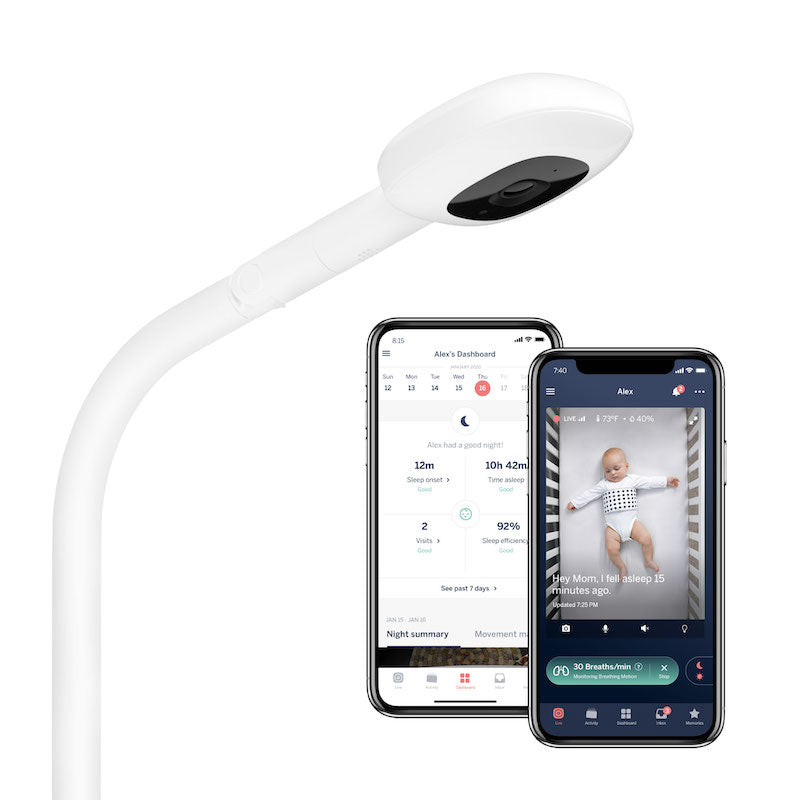
As one mom put it, “My husband is able to have access to the camera and jump in to help out without waiting for me to tell him.” And the effect goes both ways. Nearly 70% of moms agree that having real-time visibility of their baby allows them to take a break or trust their partner more. One parent said, “It is easier to share the responsibility between us. We both have equal access to notifications to tend to the baby.”

Many couples mentioned:
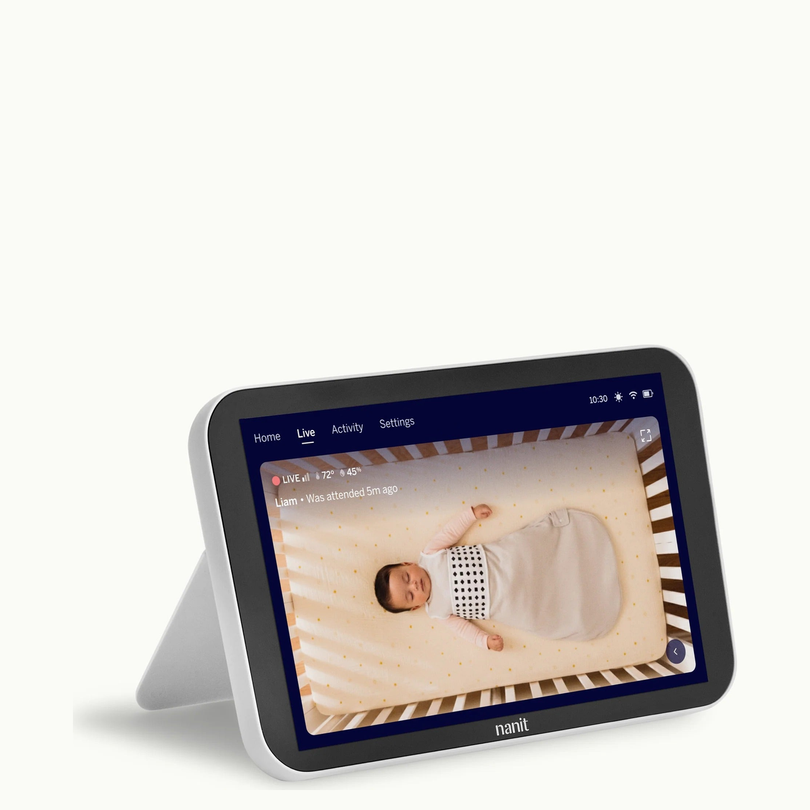
- Watching their baby together: Bonding over looking at the monitor together and laughing at wild sleep positions, replaying first rolls, or tearing up at the first captured giggle. Some rewatch wake-up compilations or monthly recap videos as a ritual that helps them reconnect and remember how far they’ve come as a family. One mom said, “We love watching the morning wake-up reels together” and another said their relationship with their partner was strengthened by being “in bed together, watching him on the monitor.”
- Seeing the invisible work: Nighttime footage and logs can reveal how often one partner is getting up, helping to balance the load and validate each other’s efforts. That visibility can reduce resentment and spark more honest conversations about sharing responsibilities. When both partners see the same data, the conversation shifts from “You don’t understand how hard this is” to “Let’s figure this out together.”
- Making calmer decisions together: Parents describe watching the feed together during a rough night and using what they see to decide whether they should intervene or wait. Instead of arguing about whether a baby is “really” upset, the parents have shared information and can make a plan as a team. One dad cited not arguing about “who had to get up to check on him.”
The Emotional Reality: Love, Anxiety, and the Mental Load
Worry showed up in nearly every parent’s survey response. Understandably, they’re worried about safety, with a focus on SIDS, breathing, and sleep. They’re worried about development, hitting the milestones “on time,” and about whether or not they’re doing it “right” in a world that’s oversaturated with many voices and conflicting advice. And while sleep is one of the biggest emotional pressure points, it’s not just about getting more sleep, but rather, the constant uncertainty around what is and isn’t normal: 60% of parents’ biggest sources of sleep-related stress are night wakings, while schedule consistency is the biggest sleep-related stressor for almost 44% of parents. But it’s worth noting that sleep anxiety tends to shift as babies grow. For 60% of parents with a newborn to three-month-old, the parenting area they feel least confident about is sleep. But as the baby gets older, the fear of “are they breathing?” that dominates early months often fades or gives way to different concerns around schedule and routine.

And a mental load lies beneath that worry. Parents describe constantly tracking feeding times, diaper changes, wake windows, sleep regressions, milestones, daycare updates, and medical details – a lot to keep up with – while trying to function on a night of rough sleep. Parents cited information overload and comparison to other parents as the factors that show up for them most often.
Without the help of technology, many parents admit they would not be able to remember when the last nap was or how long their child has been awake for. That’s why technology has started to feel less like a luxury or bonus and more like a necessity or survival tool. Logging and trend-tracking tools take critical thinking and memory burdens off of parents’ plates. Instead of juggling all the data and information mentally, they can open up an app and see it within seconds – and then get back to spending time with their baby, rather than worrying about what they might be forgetting.
How Parents Actually Use Tech: Safety Net, Memory Bank and Co-Pilot
Our survey highlighted that technology is showing up everywhere in daily parenting – baby monitors, sleep trackers, feeding logs, health apps and AI-powered question tools – used as an integral part of routines from the newborn stage through toddlerhood.
And parents are using more than one tool. Nearly 56% of parents said they regularly use two or three parenting related apps or devices.
Three big “jobs” showed up when parents talked about tech.
1. Keeping Their Child Safe
Parents consistently mentioned the comfort of being able to check in quickly and reduce “worst case” spiraling, especially around sleep. When asked which tools make them feel more confident, baby monitors topped the list with about 91% of parents saying they were one of the most helpful confidence tools.
For many parents, the ability to step away – into another room, to another floor, or even out of the house briefly – without feeling like they’re abandoning their child’s safety is huge. This freedom translates into more than just peace of mind. It means being able to cook a meal, take a shower, spend time with a partner, or simply breathe – all things that make parents feel more human and more capable of showing up fully for their children. “I have to remind myself I can't be the best parent possible if I'm not taking care of myself,” one mom said.

2. Outsourcing Memory and Making Sense of the Data
Sleep deprivation makes it difficult to remember when feeding happens, how long a nap lasts, or whether certain diaper counts are normal. Apps make it possible to see patterns over time, like whether a baby is overtired before bed or whether an illness is disrupting sleep more than usual. Some parents refer to this as a “memory bank,” and it’s reflected in what they say modern tools replace.
When asked what Nanit replaced compared to their parents’ generation, about 62% of parents said it replaced checking in with a partner or caregiver while they were away, and about 52% said it replaced “just waiting and hoping everything is fine.” Parents value having real data to bring to their pediatricians and therapists. Instead of saying, “It feels like she’s not sleeping well,” they can show real wake-up times, precise sleep hours, and changes over the span of weeks.
3. Staying Connected, Even When Apart
For working parents – especially those who have to travel or commute – checking in remotely helps them feel present even when they’re physically elsewhere.

And checking in is a frequent habit, even when parents are at home, with about 56% checking the monitor a few times a day. Parents describe watching live video from the office, from another room, or even from another country and feeling present for their child. That sense of connectedness matters in a world where many families don’t have the privilege of nearby support systems.
The Double-Edged Sword: When Tech Helps and When It Hurts
Parents know technology is not all good or all bad, and how it’s designed and used determines whether it soothes or spikes anxiety.
Many of them, however, described tech as a tool for lowering anxiety and reducing mental load, with monitoring helping them understand trends and share data with caregivers. And the necessity is clear.
The Benefits Parents Love:
- Peace of mind: Knowing they can see their baby breathing, especially at night or when the baby is sick, allows parents to actually sleep. Many talk about finally being able to move the baby out of their room because they trust the monitoring – a shift that both improves couples’ rest and allows them to reclaim a sense of intimacy and personal space.
- Reduced mental load: Parents appreciate not having to keep everything in their heads. Apps that track sleep, feeds, and diapers free up mental space and make them feel less overwhelmed. One mom said the tech has allowed them to “enjoy moments we would have missed otherwise” and “have more freedom mentally and physically.”
- Better decisions, faster: Access to patterns and trends help parents tweak routines and identify problems earlier, rather than waiting weeks to realize something is wrong.
-
Captured memories: Video clips and recap features let parents replay first smiles, silly sleeping positions, and peaceful moments they might have otherwise missed.
The Downsides Parents Fear:
The same tools can easily be overused and fear-inducing at times:
- Obsessive checking: With real-time info available 24/7, some parents find themselves checking in constantly, and when that’s not regulated, anxiety can feel high. 29% of parents say they’ve felt “addicted” to checking in.
- Information overload: A flood of charts, alerts, and advice can make parents feel like they’re always behind or failing, especially if they feel that data isn’t framed in a gentle way that indicates they’re “good enough.” But the reality is that parents opt into the features that benefit them. The information overload many parents fear before using a tool like Nanit often turns out to be the very thing that reduces their mental load once they use it.
- Comparison culture: When milestones and stats become numbers on a screen, it’s easy to compare one baby’s sleep or development to others and feel inadequate. About 33% of parents explicitly called out comparison pressure as a confidence drain.
- Over-reliance on tech: Some parents worry that their intuitive parenting muscles will atrophy and they’ll lose touch with their instincts, feeling like every decision must be backed by data rather than intuition.
What Parents Want Next: Calm, Clarity and Compassion in Their Tech
Parents don’t just want smarter tools. They also want kinder tools.
They want:
- Tech that takes tasks off their plates, not tools that lengthen their mental checklists.
- Clear, digestible summaries instead of endless, granular charts.
- Notifications that matter, not constant pings that keep anxiety humming.
- Context that normalizes variation and assures them that being “good enough” is enough.
- Features that support connection – with their child, partner, and care team – instead of making them feel like they’re in it alone.
This direction is consistent with where parents think parenting culture is headed. Some 2026 trends parents predicted:
- More focus on mental health
- Less mom guilt
- Reliance on tools like AI
- “Whole-family” visibility
- Seeing parents’ health and sleep alongside the baby’s
Ultimately, parents are asking for tech that respects their emotional state, meets them where they are, and simplifies their days, backing up their instincts with gentle, trustworthy data. In a world that’s increasingly telling parents to unplug and go analog, the parents in our survey are saying something different. The right technology doesn’t pull you away from your family. It brings you closer.
Contributors
Alexis Benveniste is a journalist and mom-to-be whose work has appeared in The New York Times, The Washington Post, Bloomberg, and The Cut, among other publications.